


While strolling through the University of Delhi, I encountered two of my friends, intensely debating whether we could separate art from the artist. I joined them. One friend noted that Woody Allen is a gifted director and sex offender. In that case, she asked, would you still choose to watch Manhattan? Without giving it much thought, I responded, "Yes." After much deliberation on this ethical dilemma, I’ve come to believe that the art-artist conundrum is as complicated as it gets. This essay attempts to address some of the pressing questions surrounding this puzzle.
The historic #MeToo movement of 2017 highlighted the prevalence of unaccountable abuse of power among men in the arts. Among them were movie directors, producers, artists, and singers. Roman Polanski is alleged to have assaulted a minor. Harvey Weinstein preyed on women--the most influential ones. R. Kelly was videotaped having sex and urinating on a minor. Woody Allen was accused of molesting his adoptive daughter. Pablo Picasso is alleged to have molested and hurled abuse at women all his life. The list goes on. However, all of these morally repugnant individuals have produced works that have marvelled spectators for ages.
Polanski’s movie The Pianist is one of the most illustrious depictions of World War II and human emotions. Woody Allen’s 1977 release, Annie Hall, is an aesthetic representation of romance and comedy. Picasso’s 1937 painting Guernica embodies the most powerful critique of war. Therefore, it isn't easy to deal with the puzzle of if (and how) we could separate the art from the artist. This complexity emanating from the art's impact on the spectators’ emotions and the unjustifiable actions of the artist becomes an intrinsic ethical dilemma.
The question is: Can we separate art from its artist?
Yes: art must be separated from the artist.
The art-artist conundrum has found two—conflicting—positions. Those who believe art can be separated from the artist argue that art is something meaningful and needs to be appreciated. And the artist needs to be condemned or punished, not as a creator of the art, but as an individual who has committed the crime. They argue that you can be a bad guy and still create good art. So, they believe art isn’t an issue, but the artist's actions are. One of the most profound arguments comes from the postmodernist school of thought. For some, the artist wasn’t just separate from the art, but the artist was dead.
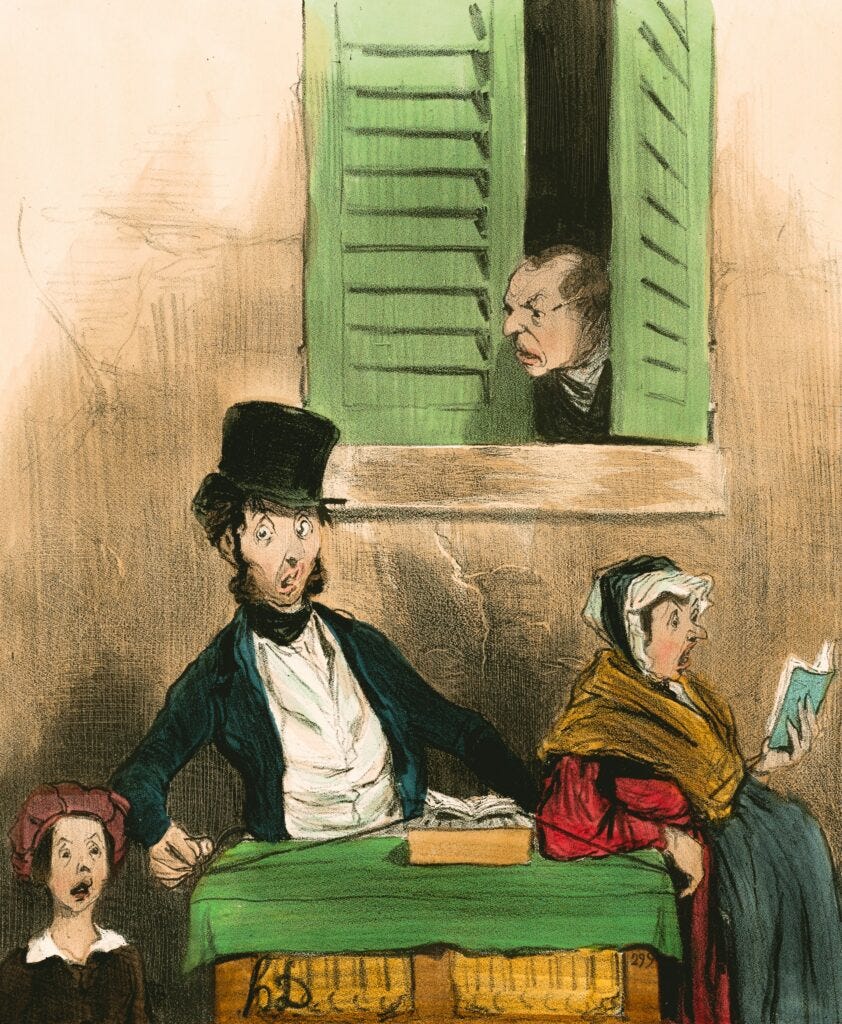
Roland Barthes titled his declaration “The Death of the Author” in 1967. Barthes argued that the author doesn’t create a text, but the reader does by reading it. Using his premise, one can say that every time spectators encounter an art, they make it new in a way that the artist no longer controls a definitive, final interpretation.
One of my colleagues at the University explains: “The art provokes certain emotions that the artist is no longer a party to.” Therefore, supporting/appreciating art is not equivalent to encouraging/endorsing the artist’s actions.
No: art cannot be separated from the artist.
Those who believe art cannot be separated from art argue: “Art doesn’t exist in its own altruistic, alternate universe.” It is a product of societal privileges. As Maria Gracia, a senior editor of The ARTery, writes, “The art that we uphold as genius or indispensable from human history is also of this world — tethered to and a product of existing systems of power, like capitalism and white supremacy.”
To put it bluntly, sales of art directly benefit the artists. Watching Kevin Spacey directly benefits him. Reading William Goulding directly benefits him. Buying a DVD of a Woody Allen movie now helps him. Thus, individual artists and their art are part of a collective whole defining our socio-economic transactions.
Writer Roxanne Gay, in her essay “Can I Enjoy the Art but Denounce the Artist?” argues that we should not overlook an artist’s sins and not separate the art from the artist. She writes, “We can no longer worship at the altar of creative genius while ignoring the price all too often paid for that genius.” Jacob Kuppermann similarly puts it: “By creating a culture that excuses the misdeeds of the powerful, talented or rich, we make it harder for their victims, from fellow celebrities to anonymous teenagers, to retain their dignity in society.”
It's just too complicated to separate art from the artist!
We elicit three divergent responses to the art-artist conundrum: Yes. No. And it isn’t very easy. I propose that each of these responses emanates from two parameters. One is the individual’s proximity to the victim and the cause; two, the individual’s affinity to the artist and the art.
Suppose I like listening to an artist who is also a sex offender. Here are my three plausible scenarios for resolving the art-artist problem:
First, if I want the music and I do not have as much proximity to the victim, I would undoubtedly choose to say, “We can separate art from the artist”.
Second, if I have a personal connection to the victim or am sympathetic to their cause, I would abandon listening to the artist altogether. In that case, one can argue that we cannot separate art from the artist.
In the third scenario, where I appreciate the art and sympathise with the victim and their cause, I am more likely to find myself in a dilemma: “How could the artist do this?” In such situations, I am more likely to listen to music while feeling guilty.
Therefore, it’s complicated!
The answer to the art-artist conundrum is deeply personal. There is no way to produce a collective moral standard to arrive at a conclusive distinction between art and the artist. That being said, we can also not sufficiently establish that the artist is what provides value to the art. In the artist-artist conundrum, individuals hold a moral compass for themselves as they arrive at a solution. And there may be no answer to this debate.
Cover Photo by Toa Heftiba on Unsplash