


Writing against the backdrop of the Chornobyl nuclear disaster, Ulrich Beck first published Risikogesellschaft in Germany in 1986.
The English translation of the book, Risk Society: Towards a New Modernity, by Ulrich Beck, was published in 1992. The book is centred around two concepts: the notion of “reflexive modernisation” and “the issue of risk” (Beck 1992, 4).
Risks are defined as the probability of harm and not the harm itself. It is the probability that matters. Since risk is seen as the “scientific realism” to be studied in laboratories by scientists with their naïve understanding of lived realities, it has primarily been left to the scientific community to define agendas and impose risk-averse discourses.
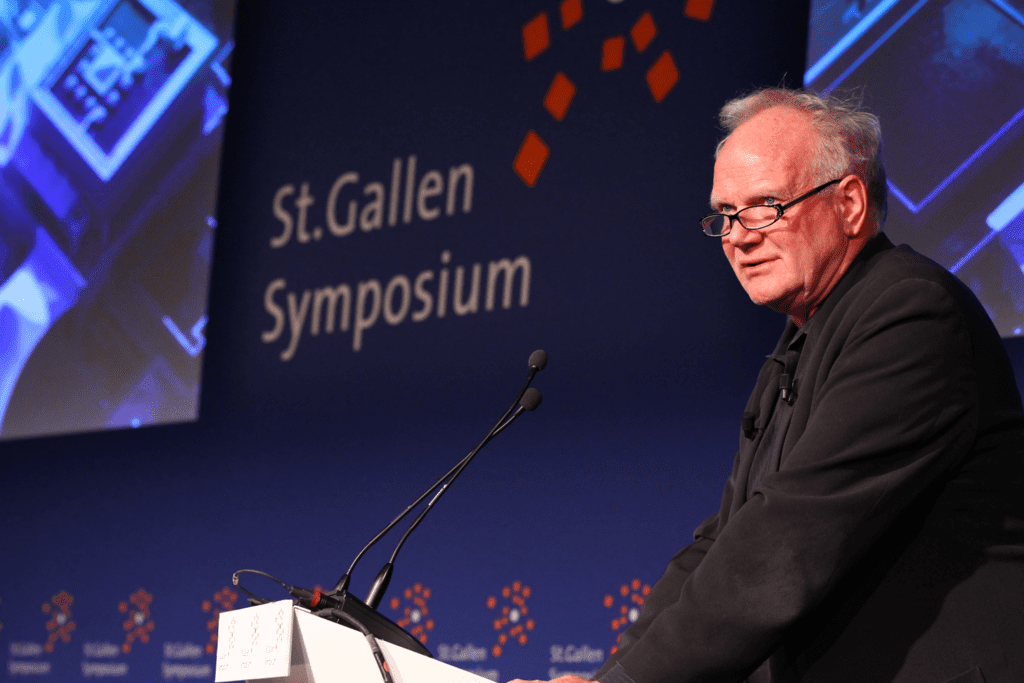

However, Beck’s reflexive modernisation attempts to dispute this classification—risk as something professionals can handle. Beck seeks to bridge the gap between the public and the scientific community to address risk in this work.
He describes reflexive modernisation as “accommodating” the innate propensity for “tension between human indeterminacy” and the modernist leaning for “objectification and naturalisation of the institutional and cultural production” (Beck 1992: 5). It is the human’s ability to reflect upon their past experiences and knowledge to deal with the challenges posed by the future.
For Ulrich Beck, a risk society is “a systematic way of dealing with hazards and insecurities induced and introduced by modernisation itself” (Beck 1992: 13). Anthony Giddens, a fellow sociologist and a contemporary of Ulrich Beck, wrote that a risk society is “a society increasingly preoccupied with the future, which generates the notion of risk” (Pierson and Giddens 1998).